Creating homemade buttermilk is a simple and quick process that can elevate your baking and cooking. This easy recipe requires just two common ingredients and a few minutes of your time. Perfect for when you need buttermilk but don't have any on hand.
The ingredients for this recipe are quite common and likely already in your kitchen. However, if you don't have lemon juice or white vinegar, you can easily find them at any supermarket. Both of these acidic ingredients are essential for curdling the milk to create buttermilk.
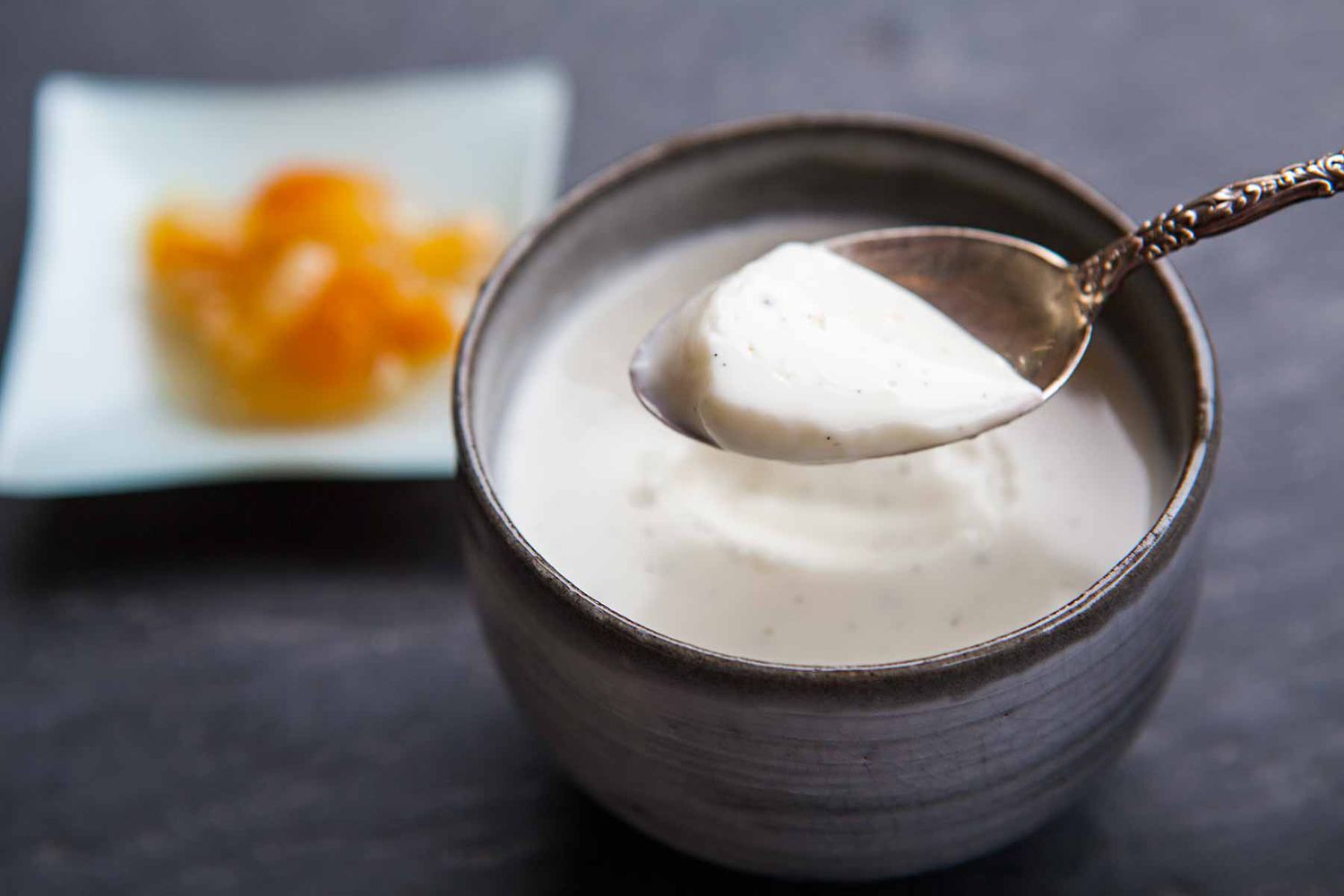
Ingredients For Buttermilk Recipe
Milk: The base of the recipe, providing the liquid needed to create buttermilk.
Lemon juice: An acidic ingredient that curdles the milk to form buttermilk.
White vinegar: An alternative acidic ingredient to lemon juice, also used to curdle the milk.
Technique Tip for Making Buttermilk
To ensure the best results when making buttermilk, always use fresh milk. The acid from the lemon juice or vinegar will cause the milk to curdle slightly, creating the desired tangy flavor and thicker consistency. If you find that your buttermilk isn't thickening as expected, try letting it sit a bit longer or use a slightly higher concentration of acid. This homemade buttermilk can be used in a variety of recipes, from pancakes to biscuits, adding a delightful tang and moisture to your baked goods.
Suggested Side Dishes
Alternative Ingredients
Whole or 2% milk - Substitute with almond milk: Almond milk can be used for a dairy-free option, though it may slightly alter the flavor and texture.
Whole or 2% milk - Substitute with soy milk: Soy milk is another dairy-free alternative that has a similar consistency to cow's milk.
Lemon juice - Substitute with apple cider vinegar: Apple cider vinegar can be used to curdle the milk in a similar way, providing the necessary acidity.
Lemon juice - Substitute with cream of tartar: Cream of tartar can also be used to acidify the milk, though it may not be as effective as lemon juice or vinegar.
White vinegar - Substitute with rice vinegar: Rice vinegar has a milder flavor but can still provide the necessary acidity to curdle the milk.
White vinegar - Substitute with distilled vinegar: Distilled vinegar is a close match to white vinegar and will work similarly in the recipe.
Alternative Recipes Similar to Buttermilk
How to Store or Freeze Buttermilk
To store your homemade buttermilk, transfer it to an airtight container or a clean glass jar with a tight-fitting lid. This will help maintain its freshness and prevent any unwanted odors from seeping in.
Place the container in the coldest part of your refrigerator, typically the back of the bottom shelf. This ensures that your buttermilk stays at a consistent temperature, preserving its quality for up to two weeks.
If you find yourself with an excess of buttermilk and want to extend its shelf life, freezing is a fantastic option. Pour the buttermilk into ice cube trays, filling each compartment about three-quarters full to allow for expansion.
Once frozen solid, pop the buttermilk cubes out of the trays and transfer them to a resealable freezer bag. Label the bag with the date to keep track of its freshness.
When you're ready to use the frozen buttermilk, simply take out the desired number of cubes and let them thaw in the refrigerator overnight. Alternatively, you can place the cubes in a bowl and let them sit at room temperature for about 30 minutes.
Keep in mind that frozen buttermilk may separate slightly upon thawing. Give it a good stir or shake to recombine the solids and liquids before using it in your recipes.
Frozen buttermilk is best used within three months for optimal flavor and texture. Beyond that, it may still be safe to use but might not provide the same creamy consistency.
Always check the buttermilk for any off smells or unusual textures before using it, whether stored in the fridge or freezer. If it smells sour or has a curdled appearance, it's best to discard it and make a fresh batch.
How to Reheat Leftovers
Pour 1 cup of milk into a measuring cup.
Add 1 tablespoon of lemon juice or white vinegar to the milk.
Stir well and let it sit for 5-10 minutes.
Use as needed in your recipe.
Microwave Method:
- Pour the buttermilk into a microwave-safe container.
- Heat on medium power for 15-20 seconds.
- Stir well and check the temperature. If needed, heat for an additional 10 seconds.
- Be cautious not to overheat, as it can curdle.
Stovetop Method:
- Pour the buttermilk into a small saucepan.
- Heat over low heat, stirring constantly.
- Warm until it reaches the desired temperature, but avoid boiling.
- Remove from heat and use immediately.
Double Boiler Method:
- Fill a pot with a few inches of water and bring to a simmer.
- Place a heatproof bowl over the pot, ensuring it doesn’t touch the water.
- Pour the buttermilk into the bowl.
- Stir gently until warmed through.
- This method provides gentle, even heating to prevent curdling.
Oven Method:
- Preheat the oven to 200°F (93°C).
- Pour the buttermilk into an oven-safe dish.
- Cover with aluminum foil to prevent a skin from forming.
- Heat for about 10-15 minutes, checking occasionally.
- Stir before using to ensure even temperature.
Essential Tools for Making Buttermilk
Measuring cup: Use this to accurately measure 1 cup of milk.
Tablespoon: This is essential for measuring out 1 tablespoon of lemon juice or white vinegar.
Spoon: Use this to stir the milk and acid together thoroughly.
Timer: Set this to ensure you let the mixture sit for the required 5-10 minutes.
Time-Saving Tips for Making Buttermilk
Prepare ingredients in advance: Measure out milk and lemon juice or white vinegar ahead of time to streamline the process.
Use a timer: Set a timer for 5-10 minutes to ensure you don't forget to let the mixture sit.
Make a larger batch: Prepare extra buttermilk and store it in the fridge for future recipes.
Use a whisk: Stir the mixture with a whisk to ensure the lemon juice or vinegar is evenly distributed.
Room temperature milk: Use room temperature milk to speed up the curdling process.
Buttermilk Recipe
Ingredients
Main Ingredients
- 1 cup Milk whole or 2%
- 1 tablespoon Lemon juice or white vinegar
Instructions
- Pour 1 cup of milk into a measuring cup.
- Add 1 tablespoon of lemon juice or white vinegar to the milk.
- Stir well and let it sit for 5-10 minutes.
- Use as needed in your recipe.
Nutritional Value
Keywords
More Amazing Recipes to Try 🙂
- Flapjack Pancakes Recipe30 Minutes
- Bean Salad Recipe15 Minutes
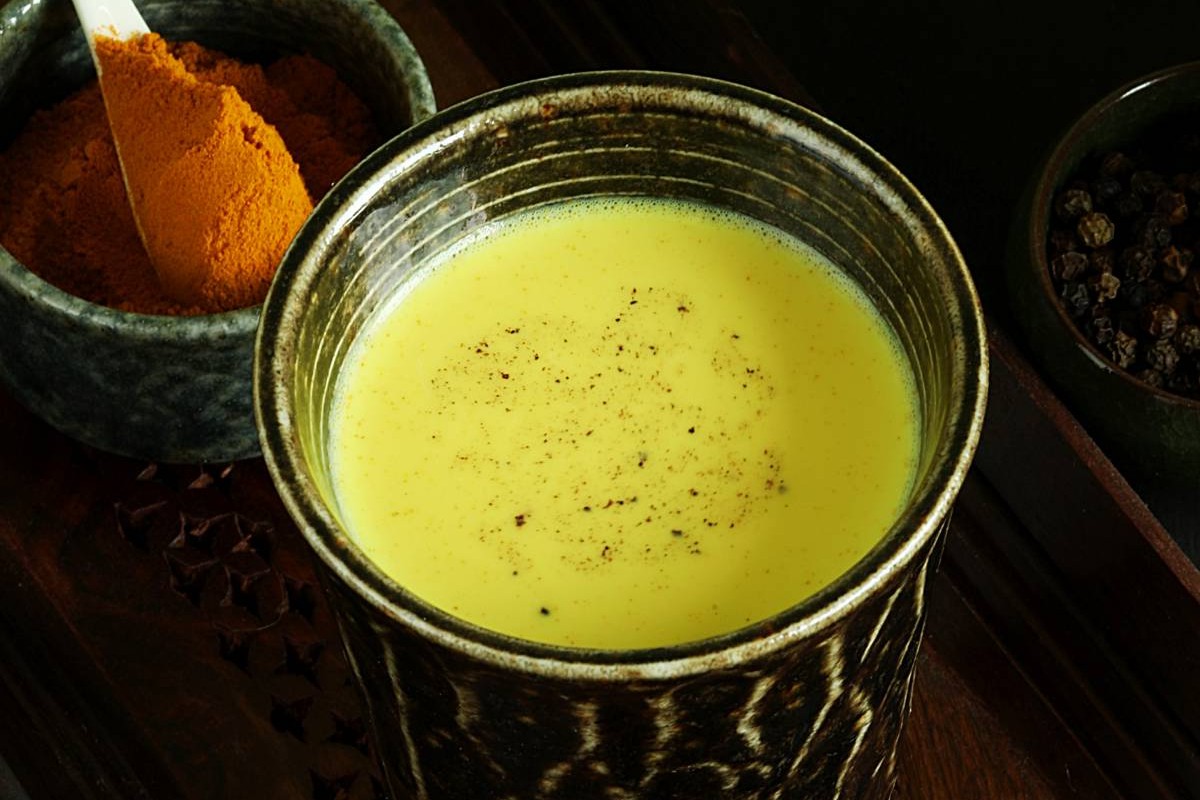
- Haldi Ka Doodh Recipe15 Minutes
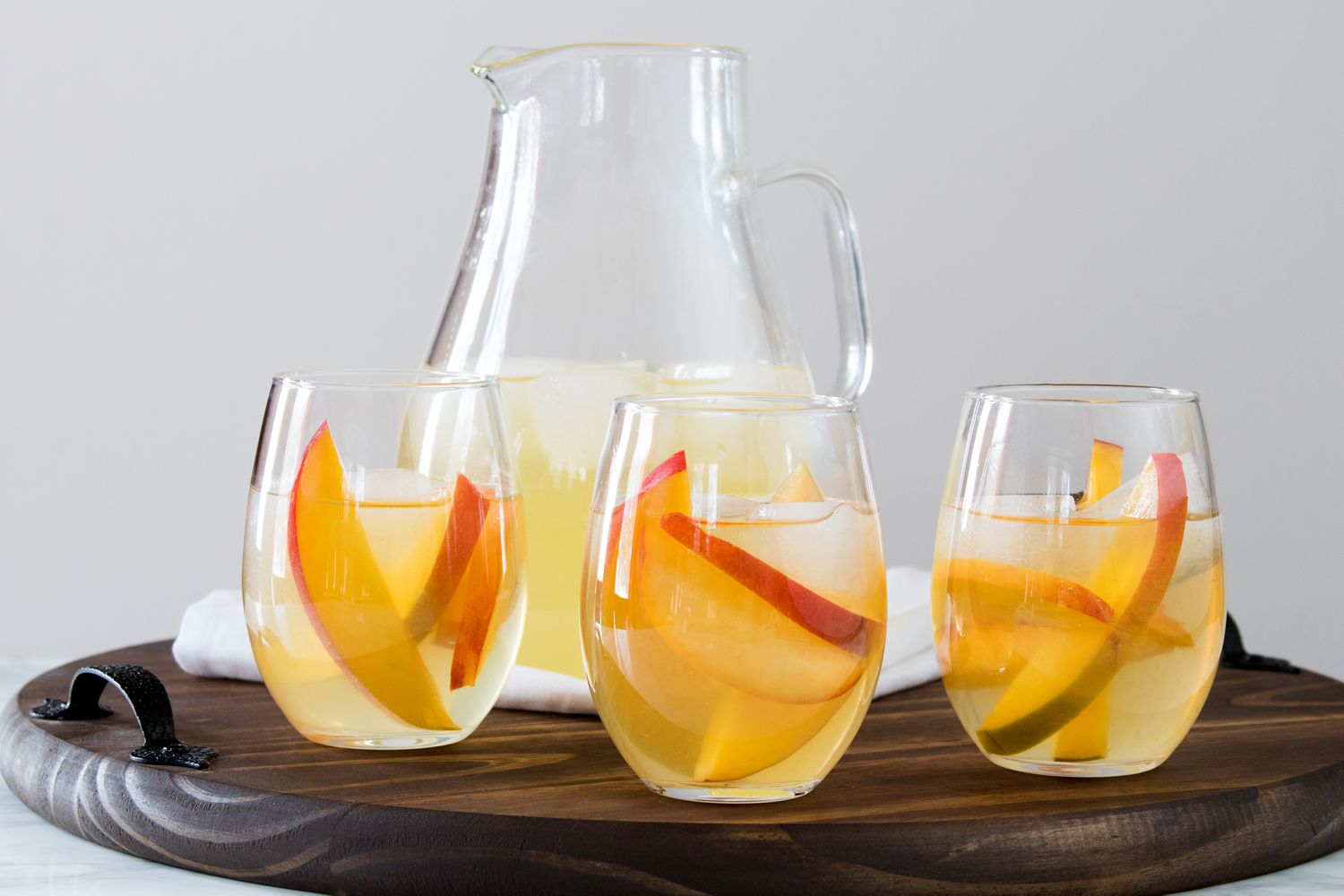
- White Peachy Sangria Recipe15 Minutes
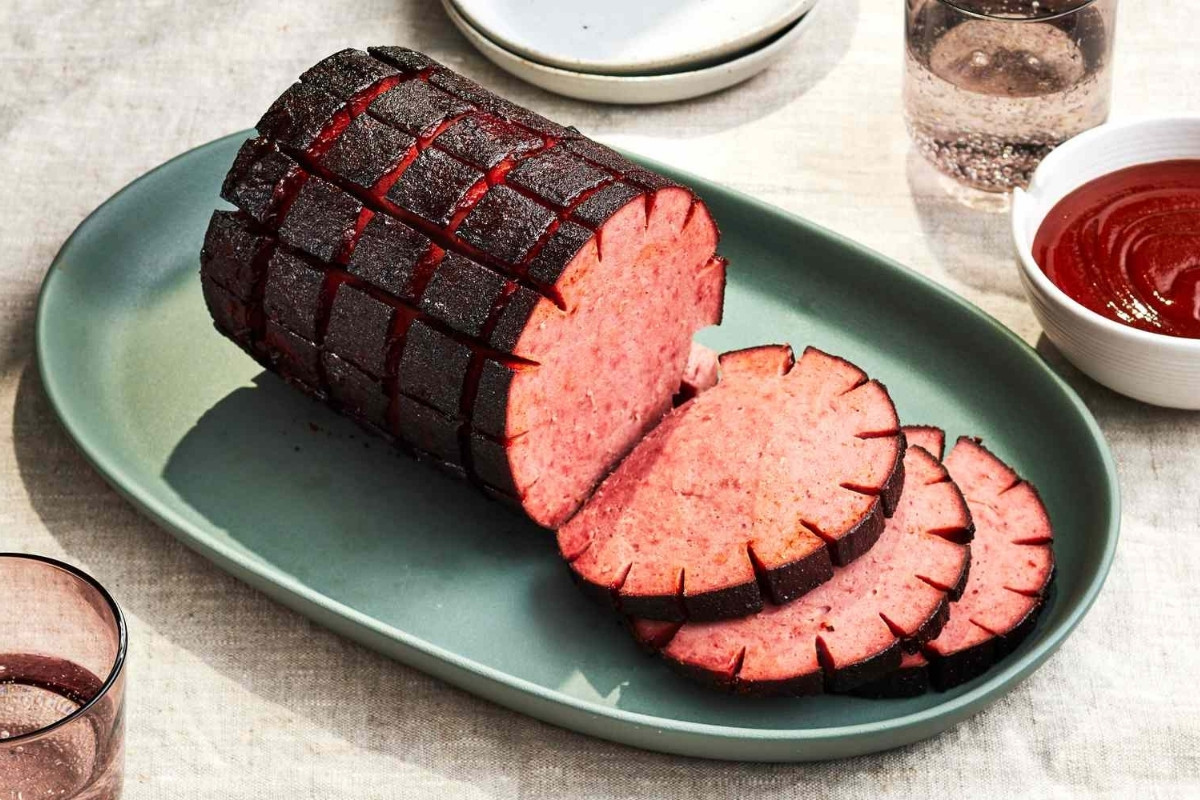
- Bologna Recipe30 Minutes
- Sweet and Sour Pork Recipe40 Minutes
- Ramen Noodle Soup Recipe30 Minutes
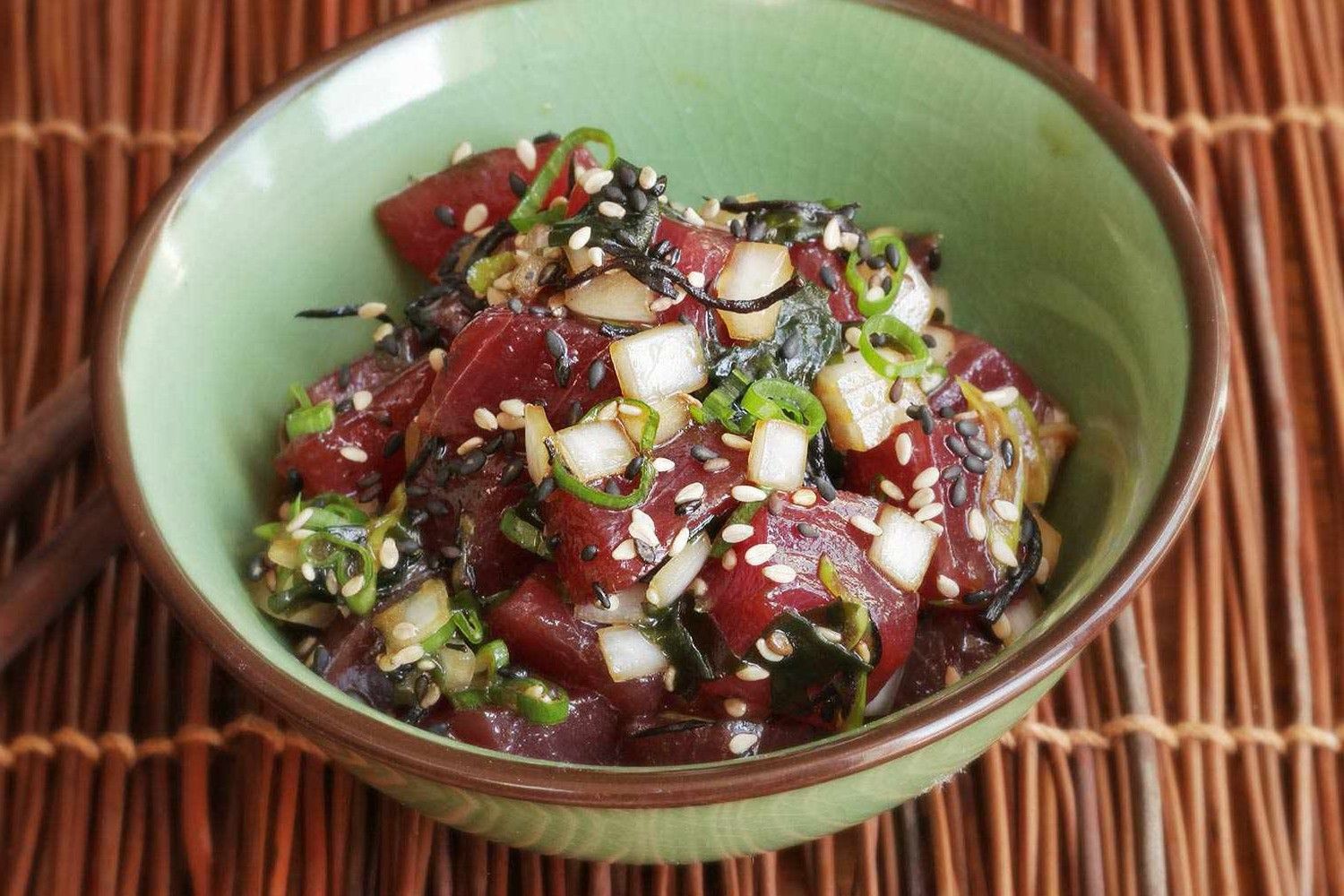
- Ahi Poke Recipe15 Minutes





Leave a Reply