
This Japanese restaurant-style salad dressing is a delightful blend of flavors that will elevate any salad. With its rich and tangy taste, it brings a unique twist to your greens, making it a perfect addition to your meal. The combination of fresh ingredients and a touch of sweetness creates a harmonious balance that is both refreshing and satisfying.
Some ingredients in this recipe might not be commonly found in your pantry. For instance, rice wine vinegar and fresh ginger root are essential for achieving the authentic taste. Additionally, peanut oil provides a distinct flavor that differs from other oils. Make sure to check the international or Asian section of your supermarket for these items.
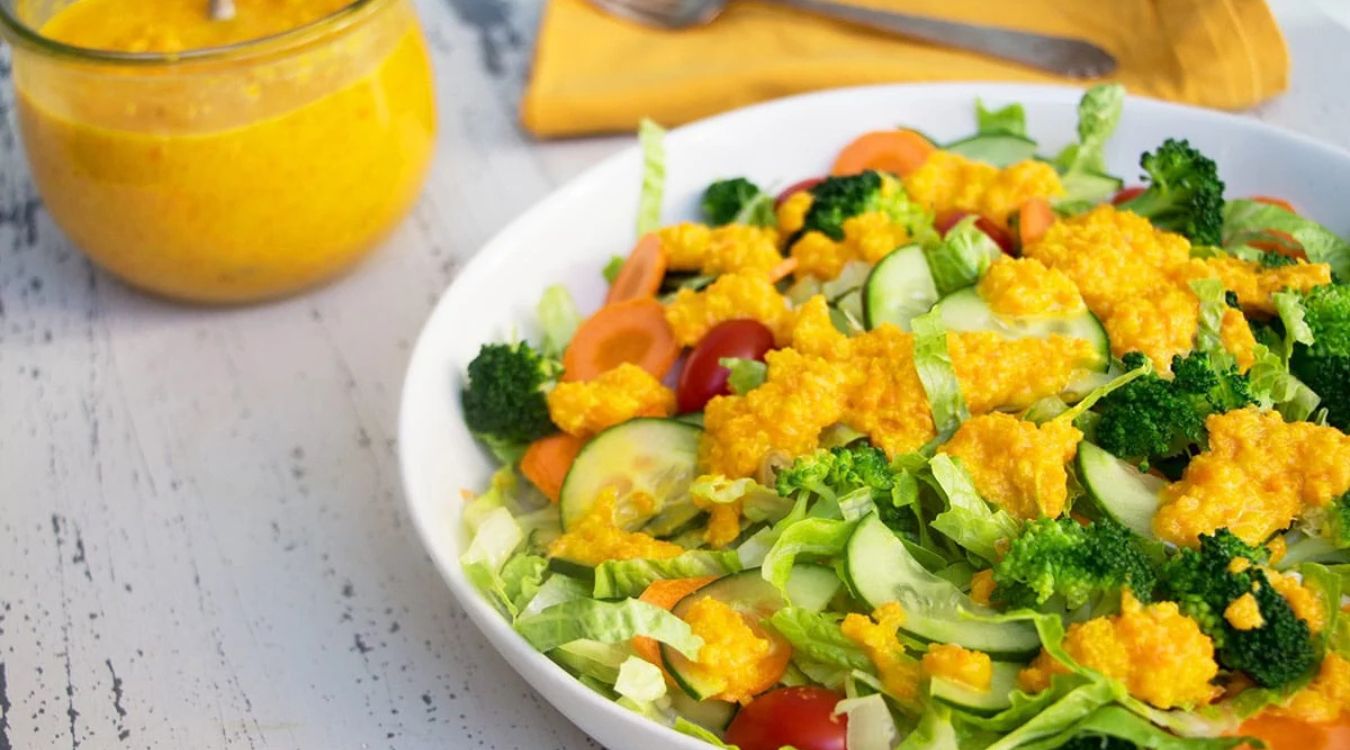
Ingredients For Japanese Restaurant Style Salad Dressing
Onion: Adds a sharp, pungent flavor that forms the base of the dressing.
Peanut oil: Provides a nutty taste and smooth texture.
Rice wine vinegar: Offers a mild acidity and subtle sweetness.
Water: Helps to thin out the dressing.
Fresh ginger root: Adds a spicy, aromatic kick.
Celery: Contributes a fresh, crisp flavor.
Ketchup: Brings a touch of sweetness and tanginess.
Soy sauce: Adds a salty, umami depth.
Sugar: Balances the acidity with sweetness.
Lemon juice: Provides a bright, citrusy note.
Garlic: Infuses a robust, savory flavor.
Salt: Enhances all the other flavors.
Black pepper: Adds a mild heat and complexity.
Paprika: Contributes a subtle smokiness and color.
Ground mustard: Adds a tangy, slightly spicy undertone.
Technique Tip for Perfecting This Dressing
To achieve a perfectly smooth texture for this Japanese restaurant-style salad dressing, make sure to mince the onion, ginger root, celery, and garlic as finely as possible before adding them to the blender. This ensures that the dressing emulsifies well and has a consistent flavor throughout. Additionally, using a high-quality peanut oil will enhance the nutty undertones, while fresh lemon juice will add a bright, zesty finish.
Suggested Side Dishes
Alternative Ingredients
minced onion - Substitute with shallots: Shallots have a milder and slightly sweeter flavor, which can provide a similar aromatic base.
peanut oil - Substitute with grapeseed oil: Grapeseed oil has a neutral flavor and a high smoke point, making it a good alternative for dressings.
rice wine vinegar - Substitute with apple cider vinegar: Apple cider vinegar has a similar acidity and a slightly fruity flavor that can mimic rice wine vinegar.
water - Substitute with vegetable broth: Vegetable broth can add a bit more depth and flavor compared to plain water.
minced fresh ginger root - Substitute with ground ginger: Ground ginger can be used in smaller quantities to provide a similar spicy and aromatic flavor.
minced celery - Substitute with fennel: Fennel has a similar crunchy texture and a slightly sweet, anise-like flavor that can complement the dressing.
ketchup - Substitute with tomato paste: Tomato paste can provide a similar tomato flavor, though you may need to add a bit of sugar to balance the acidity.
soy sauce - Substitute with tamari: Tamari is a gluten-free alternative to soy sauce with a similar umami flavor.
sugar - Substitute with honey: Honey can provide a natural sweetness and a bit more complexity in flavor.
lemon juice - Substitute with lime juice: Lime juice has a similar acidity and can provide a slightly different but refreshing citrus note.
minced garlic - Substitute with garlic powder: Garlic powder can be used in smaller quantities to provide a similar garlicky flavor.
salt - Substitute with soy sauce: Soy sauce can add both saltiness and umami, enhancing the overall flavor profile.
ground black pepper - Substitute with white pepper: White pepper has a similar spiciness but a slightly different flavor that can blend well in dressings.
paprika - Substitute with smoked paprika: Smoked paprika can add a similar color and a subtle smoky flavor that enhances the dressing.
ground mustard - Substitute with Dijon mustard: Dijon mustard can provide a similar tangy and slightly spicy flavor, adding depth to the dressing.
Alternative Recipes Similar to This Salad Dressing
How to Store or Freeze This Salad Dressing
To store your freshly made Japanese Restaurant Style Salad Dressing, transfer it to an airtight container, preferably a glass jar with a tight-fitting lid. This helps maintain the freshness and prevents any unwanted odors from seeping in.
Place the container in the refrigerator. The dressing will stay fresh for up to one week. Always give it a good shake before using, as the ingredients may separate over time.
If you wish to freeze the dressing, pour it into a freezer-safe container, leaving some space at the top to allow for expansion. You can also use ice cube trays for portioning. Once frozen, transfer the cubes to a resealable plastic bag.
Label the container or bag with the date of preparation. This ensures you keep track of its freshness. The dressing can be frozen for up to three months.
When ready to use, thaw the dressing in the refrigerator overnight. Avoid using the microwave to defrost, as it can alter the texture and flavor.
Once thawed, give the dressing a vigorous shake or stir to re-emulsify the ingredients. The peanut oil and rice wine vinegar may separate during freezing and thawing.
For best results, use the thawed dressing within a week. The flavors might slightly mellow after freezing, but it will still be delicious over your favorite salads or as a marinade for grilled vegetables and meats.
Always store the dressing in the coldest part of your refrigerator, typically the back, to ensure it stays fresh longer. Avoid placing it in the door, where temperatures fluctuate more frequently.
How to Reheat Leftovers
- Gently whisk the salad dressing to ensure all ingredients are well combined before reheating.
- Pour the dressing into a small saucepan and place it over low heat. Stir continuously to prevent any separation or burning.
- Alternatively, transfer the dressing to a microwave-safe container. Heat in the microwave on low power for 15-20 seconds, then stir. Repeat if necessary until the dressing is warmed through.
- If you prefer a more even heat distribution, use a double boiler. Place the dressing in a heatproof bowl over a pot of simmering water. Stir occasionally until the dressing reaches the desired temperature.
- Once reheated, give the dressing a final whisk to ensure a smooth consistency before serving over your favorite salad.
Essential Tools for Making This Salad Dressing
Blender: Use this to combine all the ingredients and blend them until smooth.
Measuring cups: Essential for accurately measuring the peanut oil, rice wine vinegar, and minced onion.
Measuring spoons: Necessary for measuring smaller quantities like soy sauce, sugar, lemon juice, and spices.
Cutting board: Provides a stable surface for mincing the onion, ginger root, celery, and garlic.
Chef's knife: Ideal for finely mincing the fresh ingredients such as onion, ginger root, celery, and garlic.
Spatula: Useful for scraping down the sides of the blender to ensure all ingredients are well mixed.
Mixing bowl: Handy for gathering and organizing all the minced ingredients before blending.
Refrigerator: Necessary for chilling the dressing before serving to enhance its flavors.
Time-Saving Tips for Making This Dressing
Pre-mince ingredients: Mince onion, ginger root, celery, and garlic in advance to save time during preparation.
Use a food processor: Instead of manually mincing, use a food processor to quickly chop all the ingredients.
Measure ahead: Measure out the peanut oil, rice wine vinegar, ketchup, soy sauce, sugar, lemon juice, salt, black pepper, paprika, and ground mustard before starting.
Batch preparation: Make a larger batch of the dressing and store it in the fridge for future use.
Chill in advance: Prepare the dressing a few hours before serving to ensure it has enough time to chill.
Japanese Restaurant Style Salad Dressing Recipe
Ingredients
Main Ingredients
- ½ cup minced onion
- ½ cup peanut oil
- ⅓ cup rice wine vinegar
- 2 tablespoons water
- 2 tablespoons minced fresh ginger root
- 2 tablespoons minced celery
- 2 tablespoons ketchup
- 4 teaspoons soy sauce
- 2 teaspoons sugar
- 2 teaspoons lemon juice
- ½ teaspoon minced garlic
- ½ teaspoon salt
- ¼ teaspoon ground black pepper
- ¼ teaspoon paprika
- ¼ teaspoon ground mustard
Instructions
- Combine all ingredients in a blender.
- Blend until smooth.
- Chill before serving.
Nutritional Value
Keywords
More Amazing Recipes to Try 🙂
- Flapjack Pancakes Recipe30 Minutes
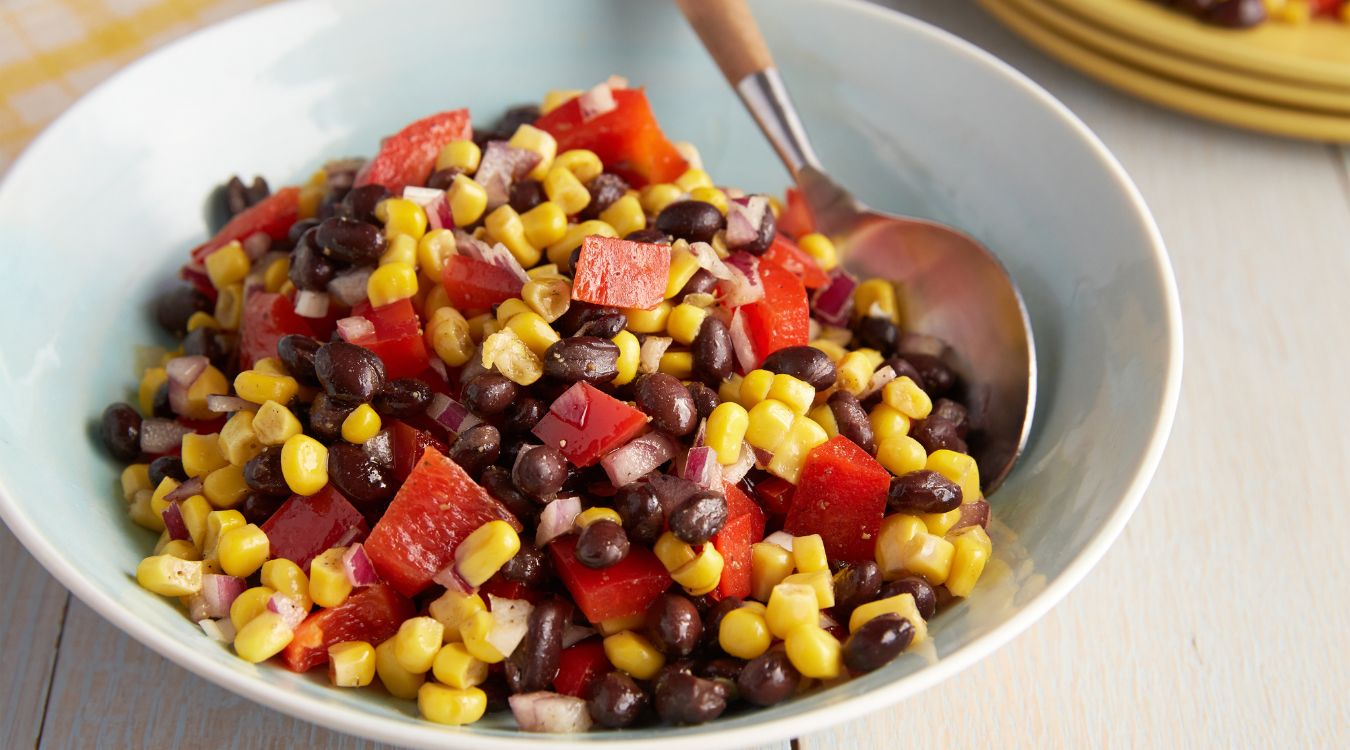
- Bean Salad Recipe15 Minutes
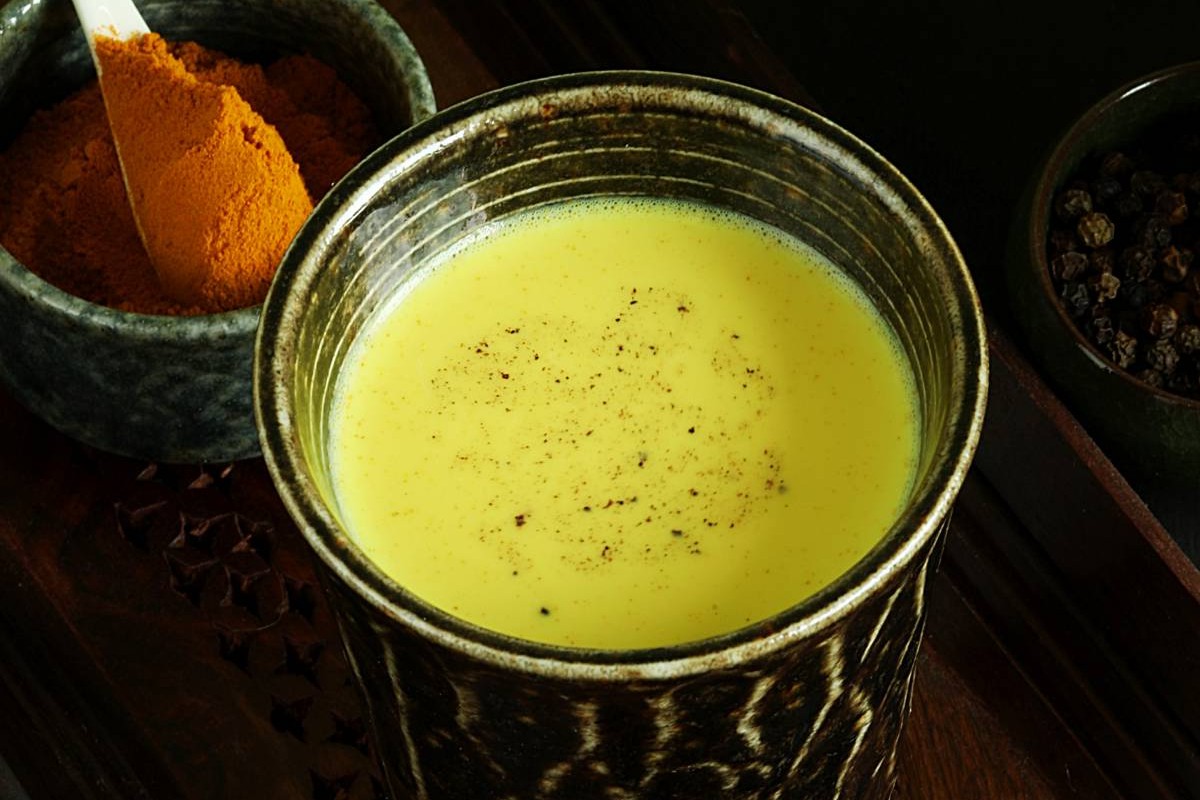
- Haldi Ka Doodh Recipe15 Minutes
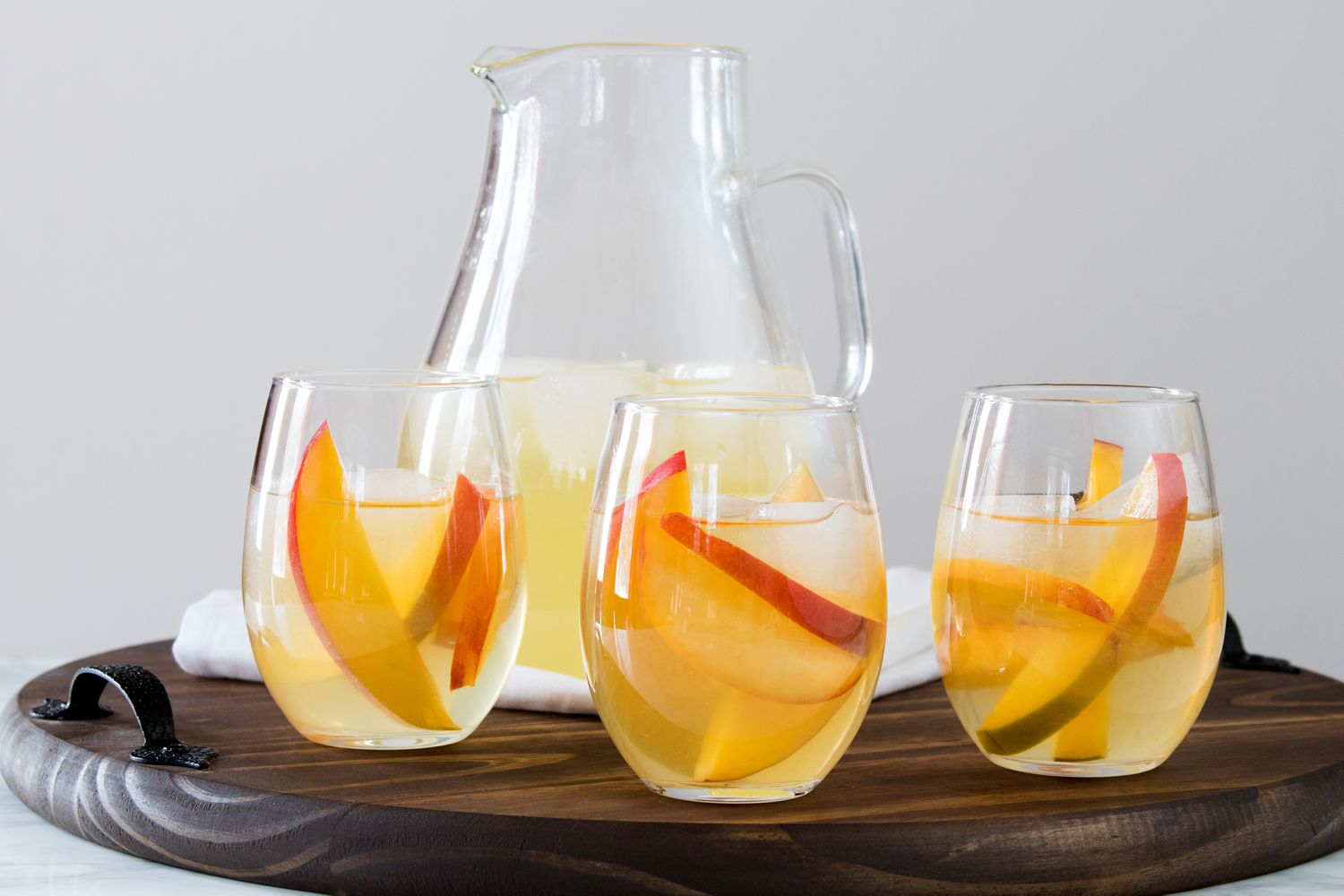
- White Peachy Sangria Recipe15 Minutes
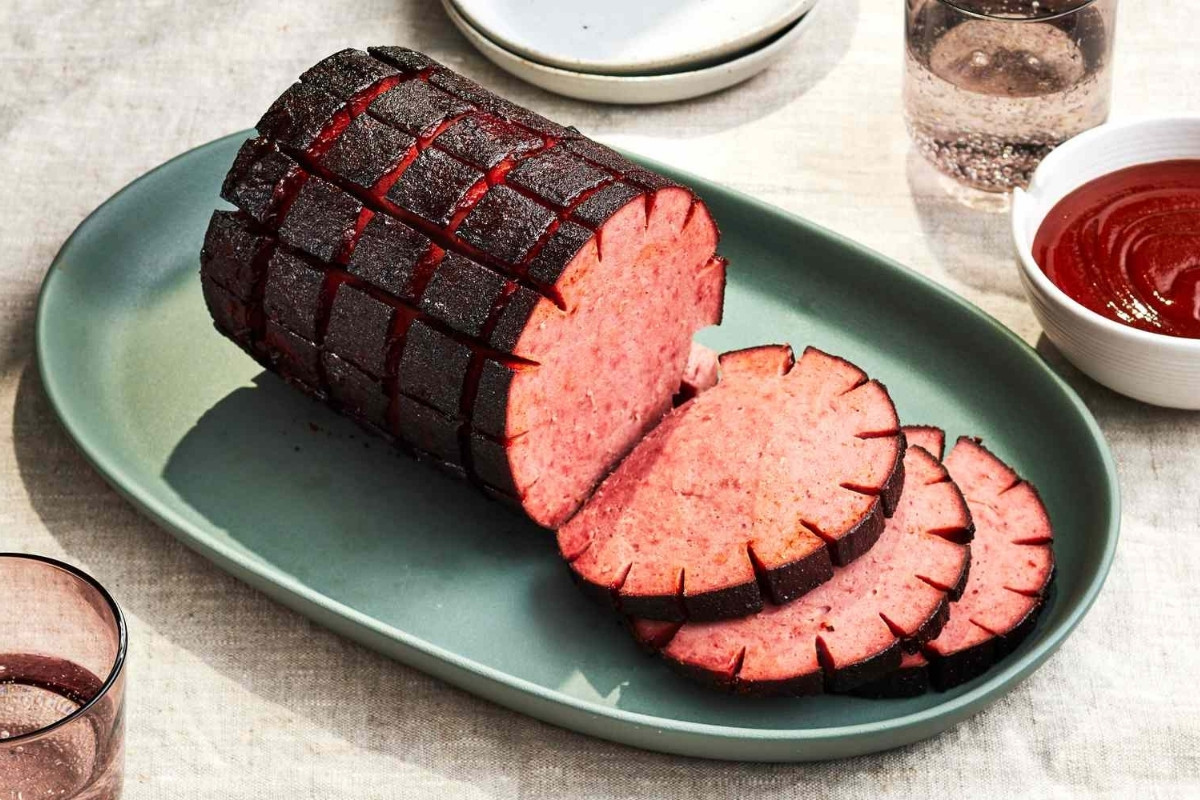
- Bologna Recipe30 Minutes
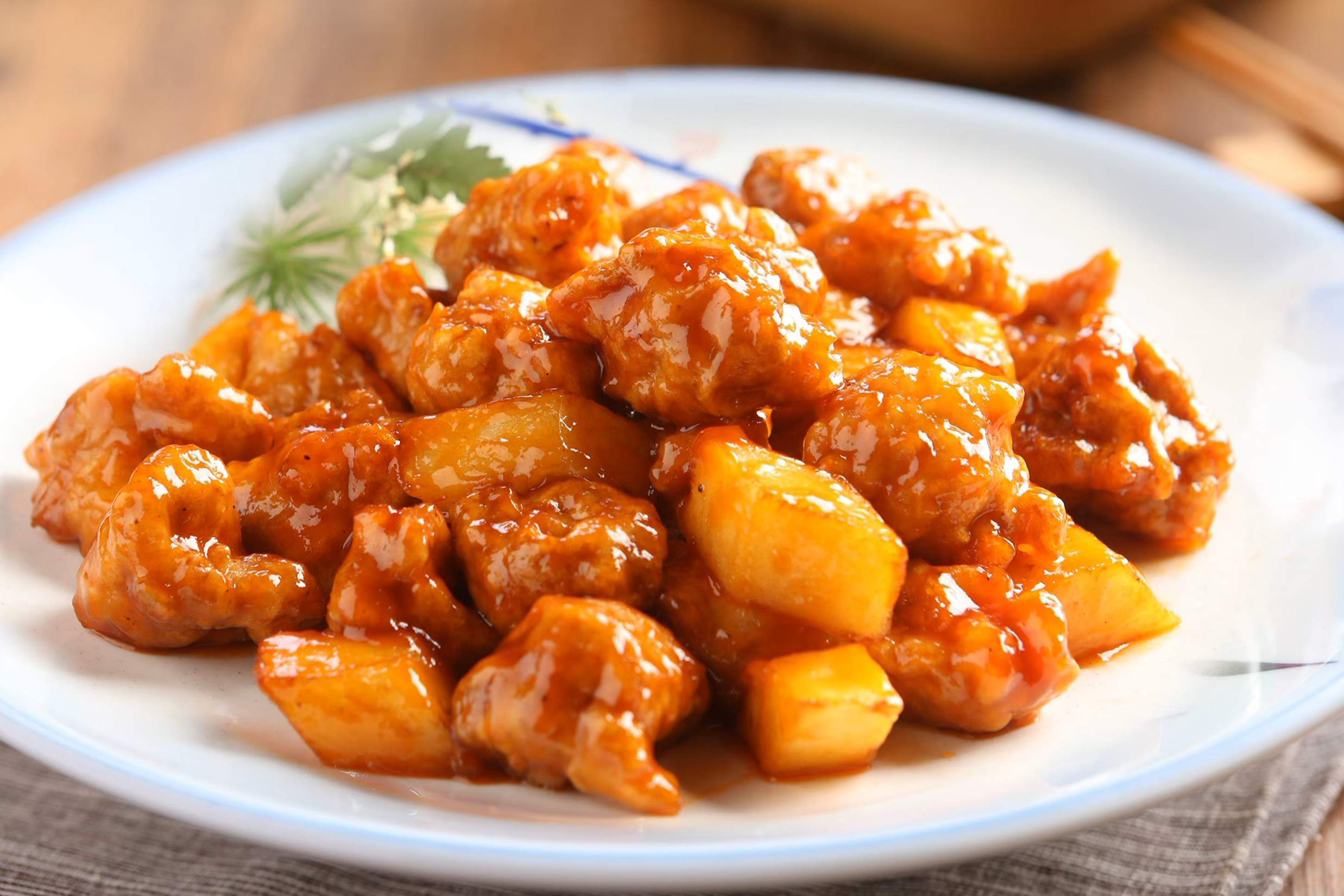
- Sweet and Sour Pork Recipe40 Minutes
- Ramen Noodle Soup Recipe30 Minutes
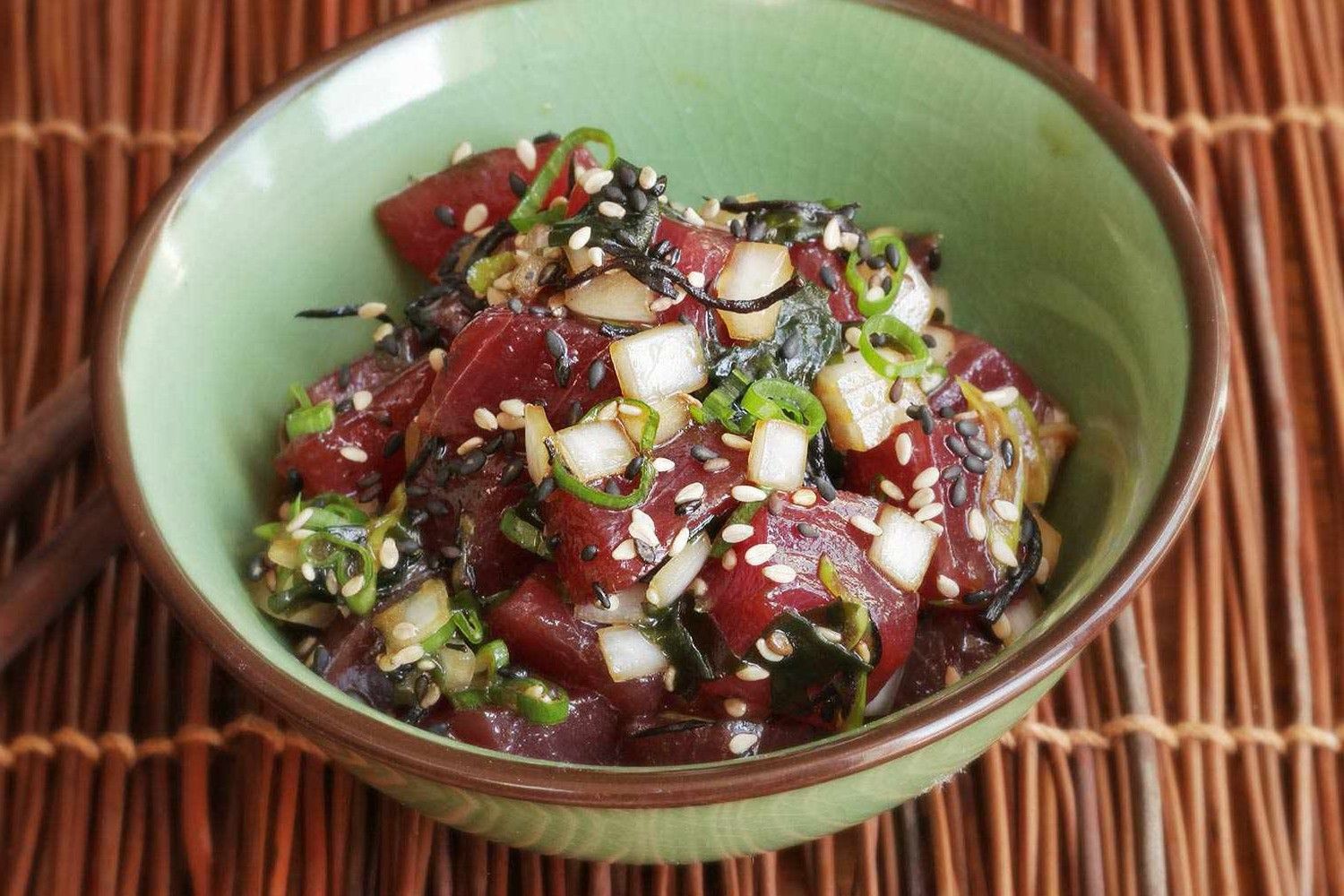
- Ahi Poke Recipe15 Minutes


Leave a Reply