A perfectly roasted rack of lamb is a show-stopping centerpiece for any special occasion. The combination of tender, juicy meat with a flavorful herb crust creates a dish that's both elegant and delicious. This recipe is straightforward yet impressive, making it ideal for both seasoned cooks and those new to preparing lamb.
When preparing this recipe, you may need to visit the supermarket for a few key ingredients. Frenched lamb racks might not be a staple in every household, but they can usually be found at most butcher shops or well-stocked grocery stores. Fresh rosemary and thyme are essential for the herb crust, so be sure to pick up these fresh herbs if you don't already have them on hand.
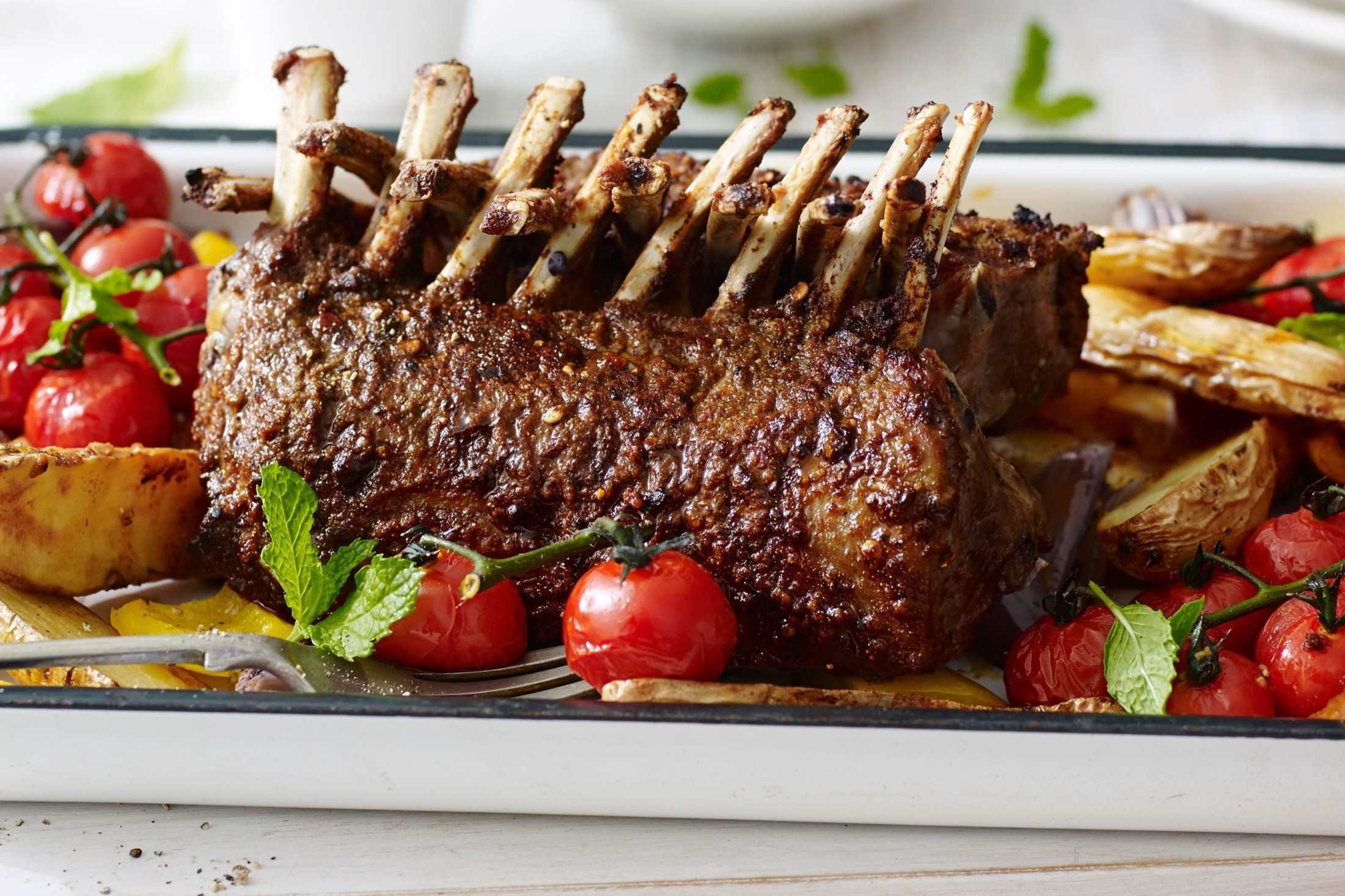
Ingredients for Roasted Rack of Lamb Recipe
Frenched lamb racks: These are lamb ribs with the meat and fat trimmed away from the bone for an elegant presentation.
Olive oil: Used for searing the lamb, it adds a rich flavor and helps achieve a beautiful crust.
Garlic: Minced garlic adds a robust, aromatic flavor to the herb crust.
Rosemary: Freshly chopped rosemary provides a fragrant, earthy note to the lamb.
Thyme: Fresh thyme complements the rosemary and adds a subtle, savory flavor.
Salt: Enhances the natural flavors of the lamb and herbs.
Freshly ground black pepper: Adds a touch of heat and depth to the seasoning.
Technique Tip for Cooking a Rack of Lamb
When searing the lamb racks, make sure the olive oil is hot enough to create a good crust. This step is crucial for locking in the juices and enhancing the flavor. Use a meat thermometer to check the internal temperature, ensuring it reaches 135°F (57°C) for a perfect medium-rare finish. After roasting, let the lamb rest for 10 minutes to allow the juices to redistribute, resulting in a more tender and flavorful dish.
Suggested Side Dishes
Alternative Ingredients
2 racks frenched lamb - Substitute with beef rib roast: Beef rib roast provides a similar texture and richness, making it a good alternative for those who prefer beef over lamb.
2 racks frenched lamb - Substitute with pork loin: Pork loin is a leaner option that still offers a tender and flavorful result when roasted.
2 tablespoon olive oil - Substitute with grapeseed oil: Grapeseed oil has a high smoke point and a neutral flavor, making it a suitable replacement for olive oil in roasting.
2 tablespoon olive oil - Substitute with avocado oil: Avocado oil is another healthy oil with a high smoke point and a mild flavor, perfect for roasting meats.
4 cloves minced garlic - Substitute with 2 teaspoon garlic powder: Garlic powder can be used in place of fresh garlic for a more convenient option, though it may lack some of the fresh garlic's pungency.
4 cloves minced garlic - Substitute with shallots: Minced shallots can provide a milder, slightly sweet flavor that complements the other herbs and spices.
1 tablespoon chopped rosemary - Substitute with 1 tablespoon dried rosemary: Dried rosemary can be used in place of fresh, though it is more potent, so you may want to use slightly less.
1 tablespoon chopped rosemary - Substitute with 1 tablespoon chopped sage: Sage offers a different but complementary herbaceous flavor that pairs well with roasted meats.
1 tablespoon chopped thyme - Substitute with 1 tablespoon dried thyme: Dried thyme can replace fresh thyme, but use a bit less as dried herbs are more concentrated.
1 tablespoon chopped thyme - Substitute with 1 tablespoon chopped oregano: Oregano provides a robust, earthy flavor that can stand in for thyme in many recipes.
salt - Substitute with soy sauce: Soy sauce can add both saltiness and umami, enhancing the overall flavor profile of the dish.
salt - Substitute with sea salt: Sea salt can be used as a direct replacement for regular salt, offering a slightly different mineral composition and flavor.
freshly ground black pepper - Substitute with white pepper: White pepper provides a similar heat and flavor but with a slightly different, more subtle taste.
freshly ground black pepper - Substitute with cayenne pepper: Cayenne pepper adds a bit more heat and a different flavor profile, suitable for those who enjoy a spicier dish.
Alternative Recipes Similar to This Dish
How to Store or Freeze This Dish
- Allow the roasted rack of lamb to cool to room temperature before storing.
- Wrap the lamb tightly in aluminum foil or plastic wrap to prevent air exposure.
- Place the wrapped lamb in an airtight container or a resealable plastic bag.
- Store the lamb in the refrigerator for up to 3-4 days.
- For longer storage, place the wrapped lamb in a freezer-safe container or a heavy-duty freezer bag.
- Label the container with the date to keep track of its freshness.
- Freeze the lamb for up to 2-3 months for optimal quality.
- To reheat, thaw the lamb in the refrigerator overnight if frozen.
- Preheat your oven to 300°F (150°C).
- Place the lamb on a baking sheet and cover it with foil to retain moisture.
- Heat in the oven for 15-20 minutes, or until warmed through.
- Alternatively, reheat slices in a microwave on medium power for 1-2 minutes, checking frequently to avoid overcooking.
How to Reheat Leftovers
Preheat your oven to 300°F (150°C). Place the leftover rack of lamb on a baking sheet. Cover it loosely with aluminum foil to prevent it from drying out. Heat for about 15-20 minutes or until it reaches your desired temperature.
For a quicker method, use a skillet. Heat a bit of olive oil over medium heat. Place the lamb in the skillet and cover it with a lid. Heat for about 5-7 minutes, flipping halfway through, until warmed through.
If you have a sous vide machine, set it to 130°F (54°C) for medium-rare. Place the lamb in a vacuum-sealed bag and immerse it in the water bath for about 45 minutes. This method ensures the lamb stays juicy and tender.
Microwave method: Slice the lamb into individual chops. Place them on a microwave-safe plate, cover with a damp paper towel, and heat on medium power for 1-2 minutes. Check and continue heating in 30-second intervals until warmed through.
If you prefer a stovetop method, slice the lamb and place it in a pan with a splash of broth or water. Cover and heat over low to medium heat, stirring occasionally, until the lamb is heated through.
Best Tools for Cooking a Rack of Lamb
Oven: Used to preheat and roast the lamb racks to the desired temperature.
Pan: Utilized for searing the lamb racks on all sides to achieve a browned exterior.
Tongs: Handy for turning and handling the lamb racks while searing.
Roasting pan: Essential for placing the lamb racks in the oven for roasting.
Meat thermometer: Important for checking the internal temperature of the lamb to ensure it reaches 135°F (57°C) for medium-rare.
Mixing bowl: Used to combine the garlic, rosemary, and thyme before rubbing the mixture over the lamb.
Chef's knife: Necessary for chopping the garlic, rosemary, and thyme, as well as slicing the lamb after it has rested.
Cutting board: Provides a surface for chopping ingredients and slicing the lamb.
Measuring spoons: Used to measure out the olive oil, rosemary, and thyme accurately.
Aluminum foil: Can be used to tent the lamb while it rests to keep it warm.
How to Save Time on Making This Recipe
Pre-mix the herbs: Combine the garlic, rosemary, and thyme in advance and store in an airtight container.
Preheat the oven: Start preheating your oven while you prepare the lamb racks to save time.
Use a meat thermometer: Quickly check the internal temperature of the lamb to ensure it reaches 135°F (57°C) for medium-rare without overcooking.
Rest the lamb: Let the lamb rest for 10 minutes after roasting to allow the juices to redistribute, making it easier to slice and serve.
Roasted Rack of Lamb Recipe
Ingredients
Main Ingredients
- 2 racks lamb frenched
- 2 tablespoon olive oil
- 4 cloves garlic minced
- 1 tablespoon rosemary chopped
- 1 tablespoon thyme chopped
- to taste salt
- to taste black pepper freshly ground
Instructions
- Preheat your oven to 450°F (230°C).
- Season the lamb racks with salt and pepper.
- Heat olive oil in a pan over medium-high heat. Sear the lamb racks on all sides until browned.
- Mix garlic, rosemary, and thyme in a bowl. Rub this mixture over the lamb.
- Place the lamb racks in a roasting pan and roast in the preheated oven for 20-25 minutes, or until the internal temperature reaches 135°F (57°C) for medium-rare.
- Let the lamb rest for 10 minutes before slicing and serving.
Nutritional Value
Keywords
Suggested Appetizers and Desserts
More Amazing Recipes to Try 🙂
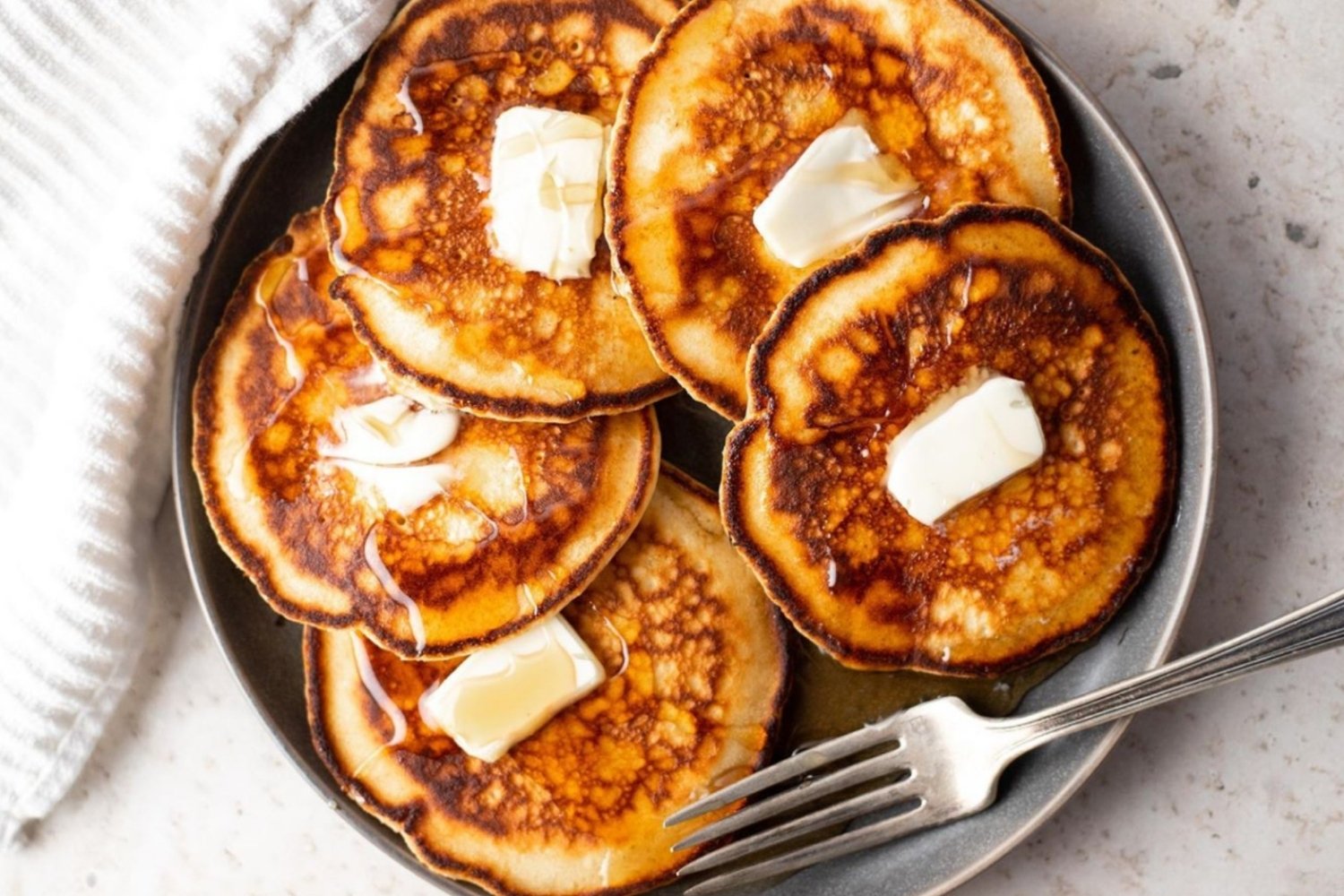
- Flapjack Pancakes Recipe30 Minutes
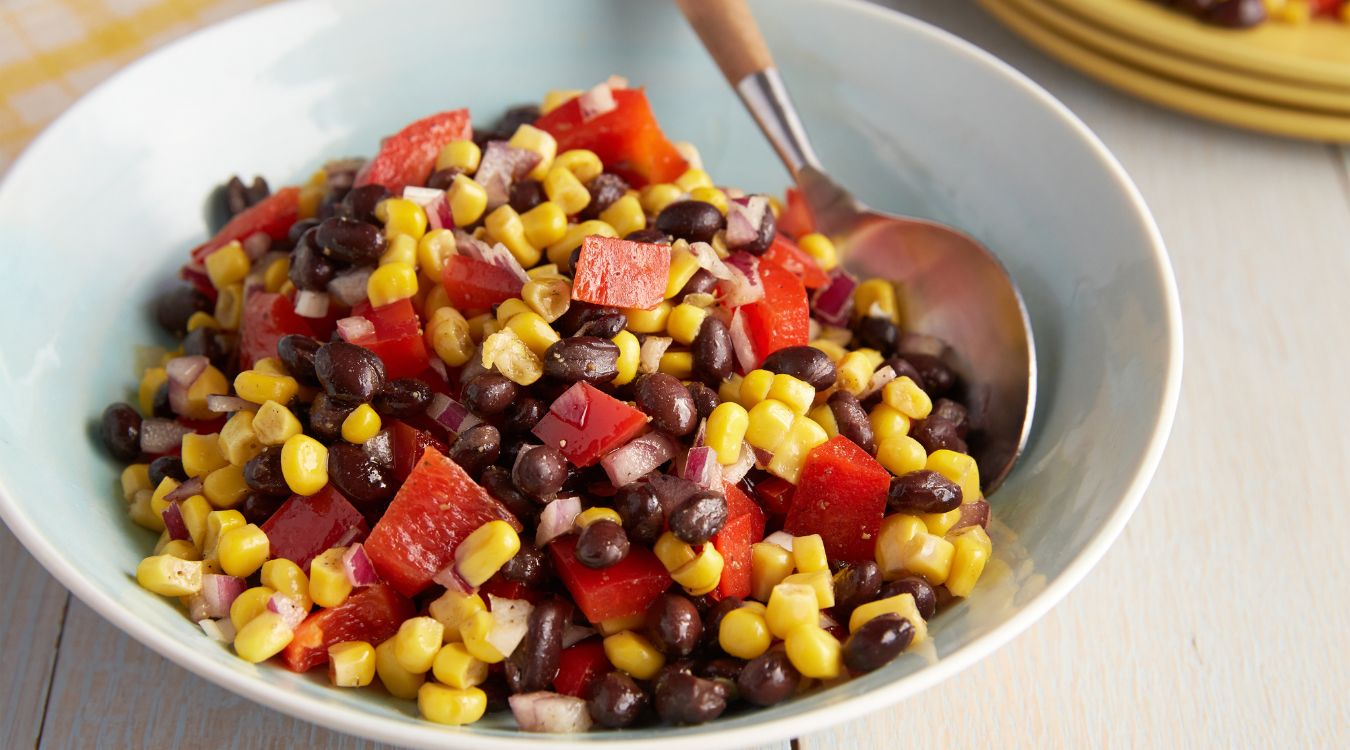
- Bean Salad Recipe15 Minutes
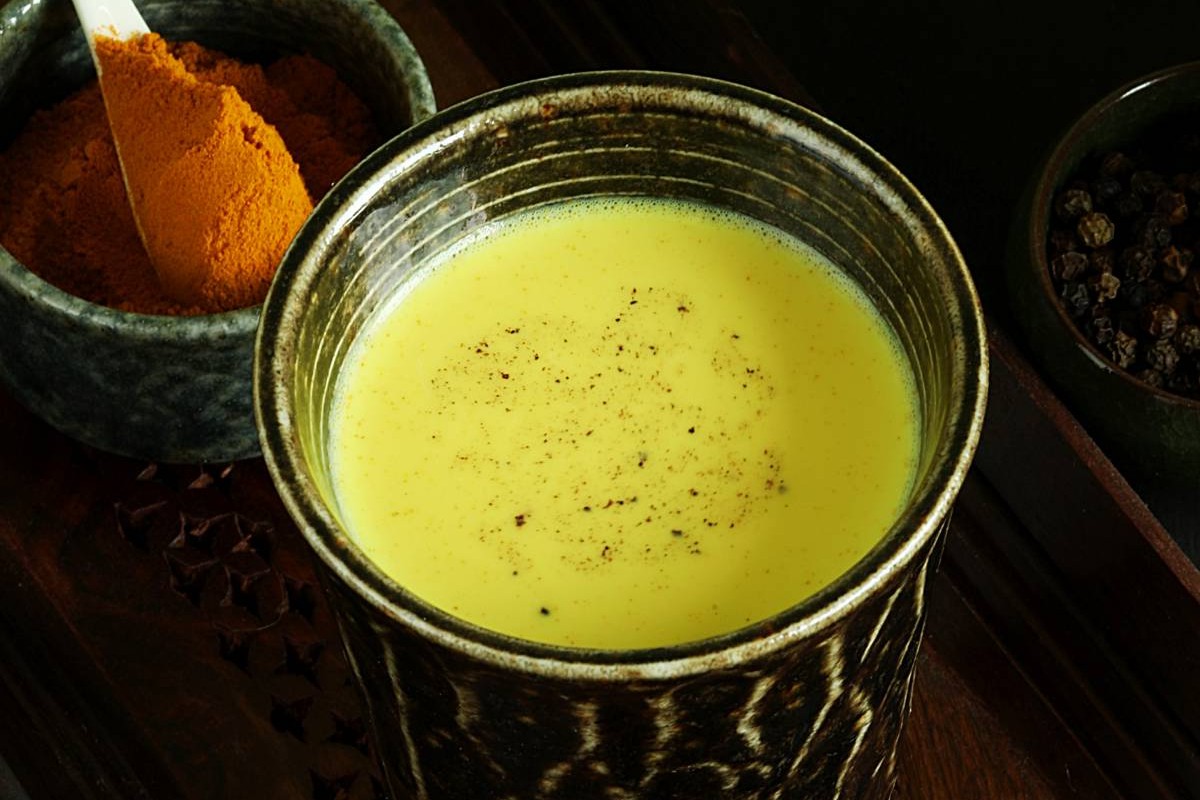
- Haldi Ka Doodh Recipe15 Minutes
- White Peachy Sangria Recipe15 Minutes
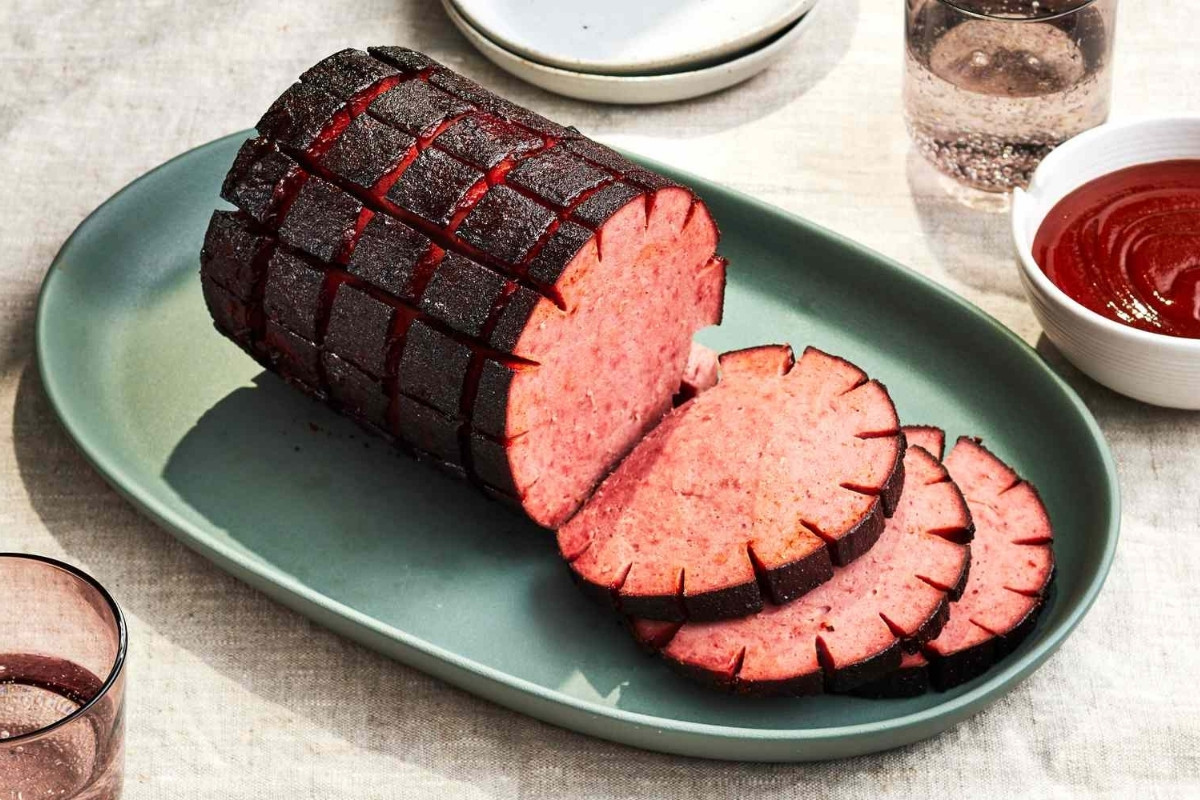
- Bologna Recipe30 Minutes
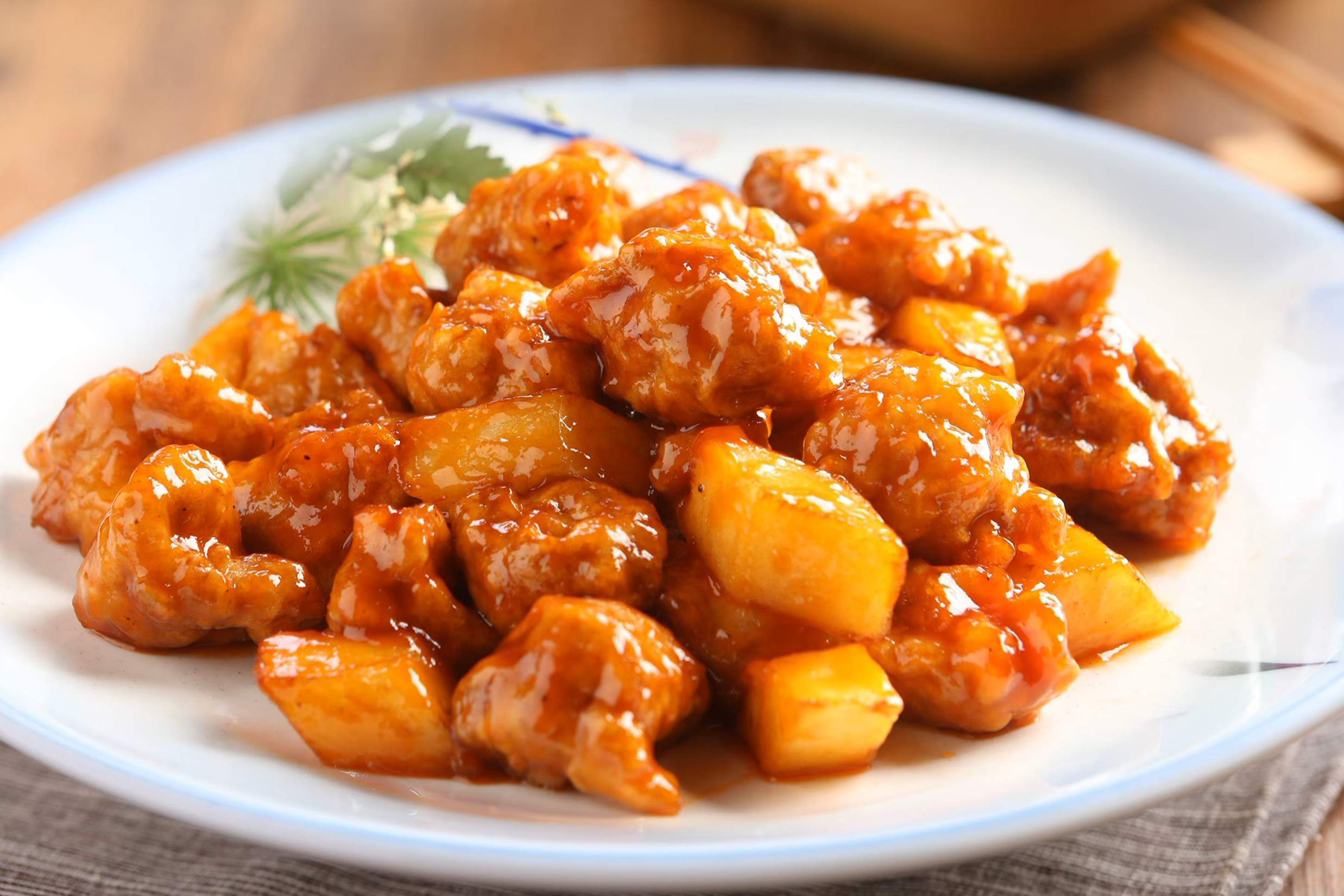
- Sweet and Sour Pork Recipe40 Minutes
- Ramen Noodle Soup Recipe30 Minutes
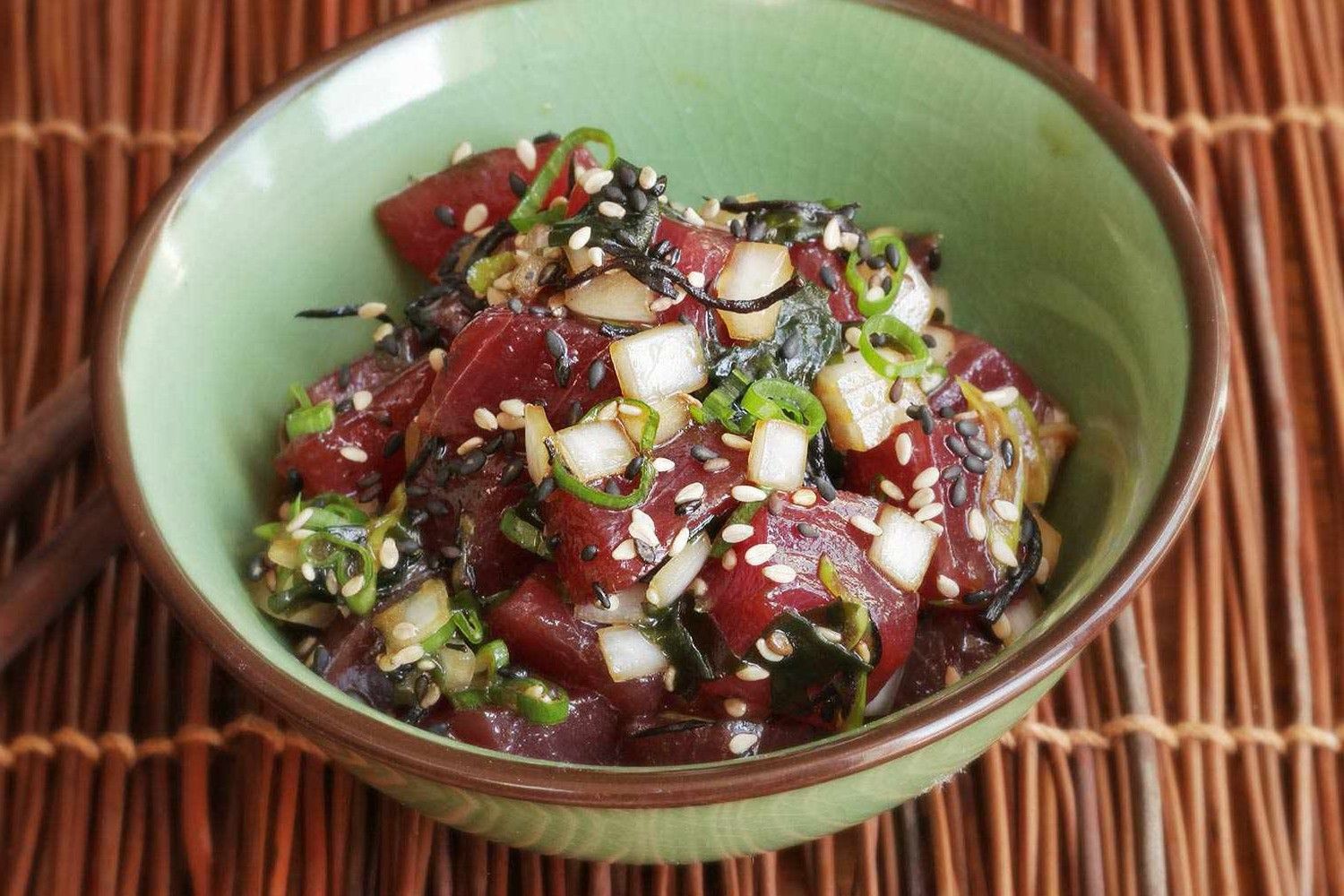
- Ahi Poke Recipe15 Minutes


Leave a Reply